FunDAO Ecosystem Expansion: Multi-Chain Deployment Strategy and Cross-Chain Interoperability Outlook
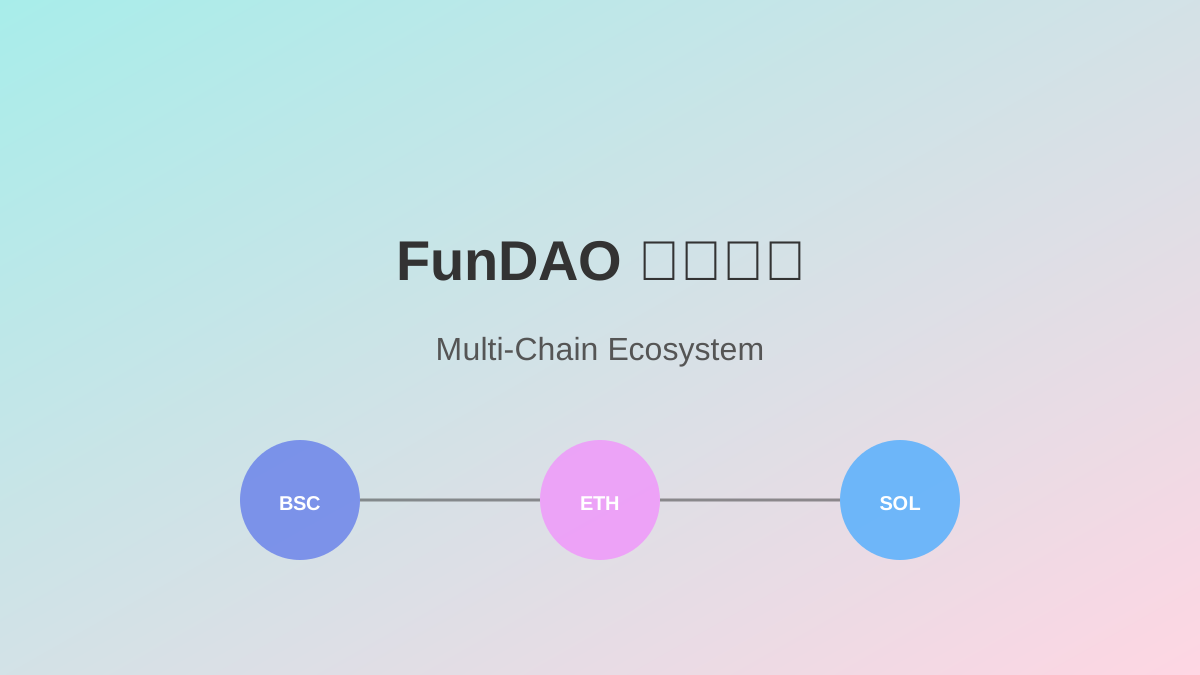
FunDAO is advancing its multi-chain deployment strategy, expanding from BSC to more blockchain ecosystems. This article explains the technical path of cross-chain interoperability and how multi-chain deployment impacts user returns.
1. Why Multi-Chain Deployment?
Currently FunDAO deploys on BSC (Binance Smart Chain), running smoothly. But single-chain ecosystem has limitations:
- Limited user base: BSC users mainly concentrated in Asia, Western users more accustomed to Ethereum
- Liquidity fragmentation: Different chains have different DEX ecosystems, liquidity cannot interoperate
- Technical bottlenecks: BSC's TPS (transactions per second) limited, gas fees rise during peak times
Multi-chain deployment solves these problems, allowing FunDAO to reach more users and access larger liquidity pools.
2. FunDAO Multi-Chain Roadmap
According to the official roadmap, FunDAO's multi-chain expansion has three phases:
Phase 1: BSC Optimization (Current)
- Improve BSC mainnet stability
- Optimize smart contract gas consumption
- Establish BSC ecosystem partnerships
Phase 2: Ethereum Expansion (2026 Q3)
- Deploy Ethereum mainnet contracts
- Integrate with Uniswap and other major DEX
- Support ETH/FUNDAO trading pairs
Phase 3: Solana + Layer 2 (2026 Q4)
- Deploy on Solana (high-speed, low-fee)
- Deploy on Arbitrum/Optimism (Ethereum Layer 2)
- Achieve cross-chain bridge interoperability
3. Technical Path for Cross-Chain Interoperability
The core challenge of multi-chain deployment is "cross-chain interoperability"—how to make FunDAO tokens on different chains interoperable?
Solution 1: Cross-Chain Bridge
Users lock FunDAO on BSC, minting equivalent "wrapped tokens" on Ethereum.
- Pros: Simple and direct, good user experience
- Cons: Cross-chain bridges are prime hacking targets, high security risk
Solution 2: Native Multi-Chain Contracts
Deploy independent FunDAO contracts on each chain, synchronizing deflation data through oracles.
- Pros: High security, no reliance on cross-chain bridges
- Cons: Technically complex, high development cost
✅ FunDAO chooses Solution 2, although development is more difficult, security is higher.
4. Impact of Multi-Chain Layout on User Returns
What does multi-chain deployment mean for users?
Impact 1: Enhanced Liquidity, Lower Slippage
Liquidity pools across multiple chains interoperate, large trade slippage drops from 2-3% to below 0.5%.
Impact 2: Diversified Yield Sources
Trading fees from different chains distribute to token holders, yield sources more stable.
Impact 3: Increased Token Value
Reaching more users → increased demand → token value appreciation. All holders benefit.
5. FunDAO's Cross-Chain Partners
FunDAO has established partnerships with multiple cross-chain infrastructure projects:
- Chainlink: Provides oracle services, synchronizing cross-chain data
- LayerZero: Cross-chain message passing protocol
- Wormhole: Cross-chain asset transfer
These partnerships ensure FunDAO's multi-chain expansion is technically reliable.
6. How Can Users Participate in Multi-Chain Ecosystem?
After multi-chain deployment, users can:
- Choose preferred chain: Hold FunDAO on BSC, Ethereum, Solana, etc.
- Cross-chain transfer: Transfer tokens between chains through official bridge
- Multi-chain yield: Provide liquidity on multiple chains, earning multiple yields
7. Risk Disclaimer
Multi-chain expansion carries risks:
- Smart contract vulnerabilities may be exploited across multiple chains
- Cross-chain bridge attacks may cause fund losses
- Different chains have different regulatory environments, compliance complex
FunDAO will reduce risks through multiple audits, time locks, and emergency pause mechanisms.
👉 Learn more: FunDAO Whitepaper
Disclaimer: This article does not constitute investment advice. Multi-chain DeFi investment carries risks. DYOR.